


Photo-AFP
“Myanmar’s Key Stakeholders and their Perceptions of Sino-Myanmar Relations – A Survey (2024),” was published in August, 2025, as a translation of the original Burmese version published in June, 2025. This survey is a part of research conducted by the ISP-Myanmar’s China Studies. ISP-Myanmar has been conducting this annual survey since 2022, making the 2024 survey the third iteration.
1. Elections considered unlikely to resolve Myanmar’s conflict in the long run

A strong majority of respondents—81 percent—viewed the State Administration Council’s (SAC) proposed elections, as encouraged by China as a path toward political settlement, as unlikely to help resolve Myanmar’s conflicts in the long run. This reflects an eight percentage point rise from last year, when 73 percent held a similar perspective. Only 16 percent believe the election could pave a constructive path.
2. Democracy with Chinese characteristics widely unfavored for Myanmar

When asked whether a model of democracy with Chinese characteristics was suitable for Myanmar, 90 percent of respondents said it was not, while seven percent supported the idea. The group disfavoring the Chinese model has grown by three percentage points since the 2022 and 2023 surveys. Support, meanwhile, has declined—by one point compared to 2022 and two points compared to 2023.
3. China’s efforts in Myanmar’s crisis seen as protection of its strategic interests
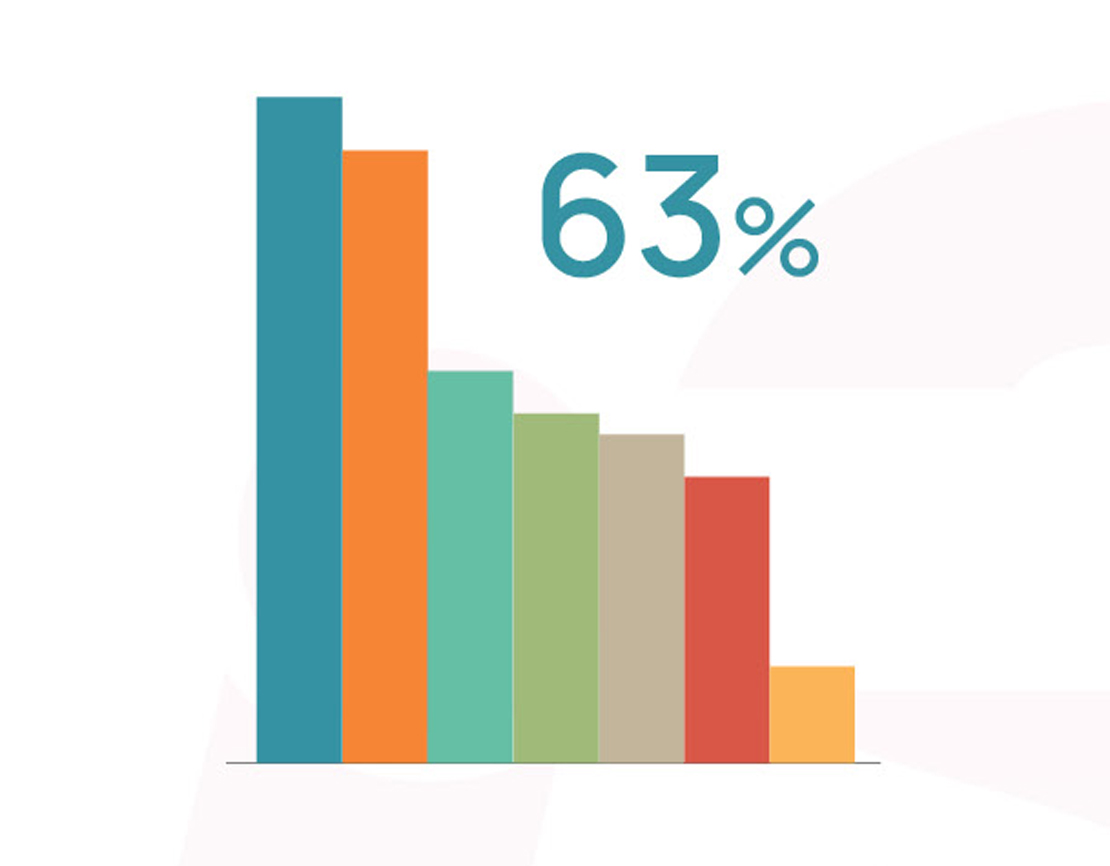
A majority of respondents—63 percent—believed that China’s increased involvement in Myanmar’s crisis stems primarily from the attacks on, and seizure of, its strategic projects. Military gains by the Three Brotherhood Alliance (3BHA) were also cited by 58 percent of respondents as a key factor. Meanwhile, 37 percent attributed China’s growing attention to the rising unity among Myanmar’s opposition forces.
4. Negative views of China continue to rise

Three-quarters of respondents said their views of China have become more negative—a trend that has grown steadily year by year.
5. Chinese firms’ consultations on project continuations

Half of respondents (50 percent) who were contacted by Chinese companies involved in the China-Myanmar Economic Corridor (CMEC) said the main reason they were contacted was to request cooperation to continue project implementation. Many also reported being warned against disrupting China’s initiatives.
- Myanmar’s Key Stakeholders and their Perceptions of Sino-Myanmar Relations – A Survey (2024)
-
Key Findings Currently reading
- General Perceptions of China
- Perceptions of China’s Role in Myanmar’s Political Crisis
- Perceptions of the Role of China in Myanmar’s Peace Processes
- Perceptions of China–Myanmar Economic Relations
- Perceptions of China–Myanmar Economic Corridor (CMEC) Projects
- Perceptions of China’s Regional Integration Plans Through Myanmar
- Perceptions of China’s Soft Power
- Perceptions of the Use of Chinese Technology